
Navigation
Send Us A Message
Products
Product Parameters
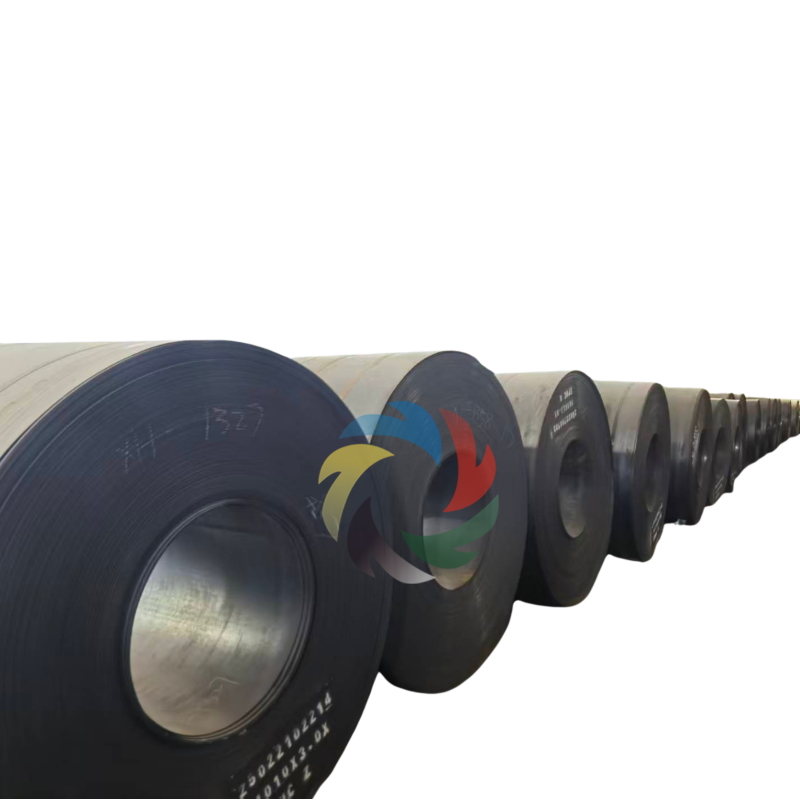
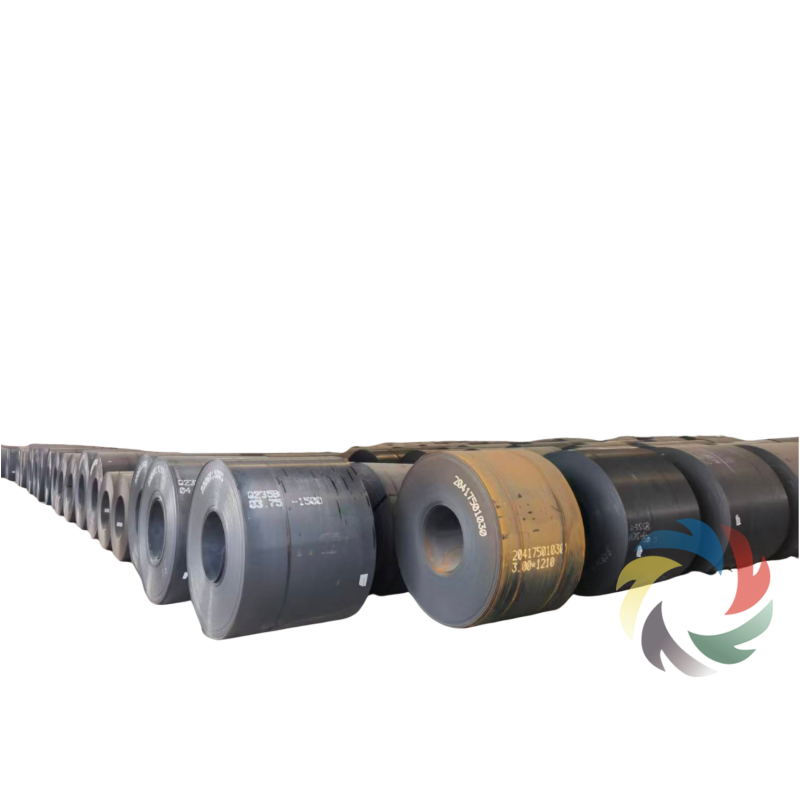
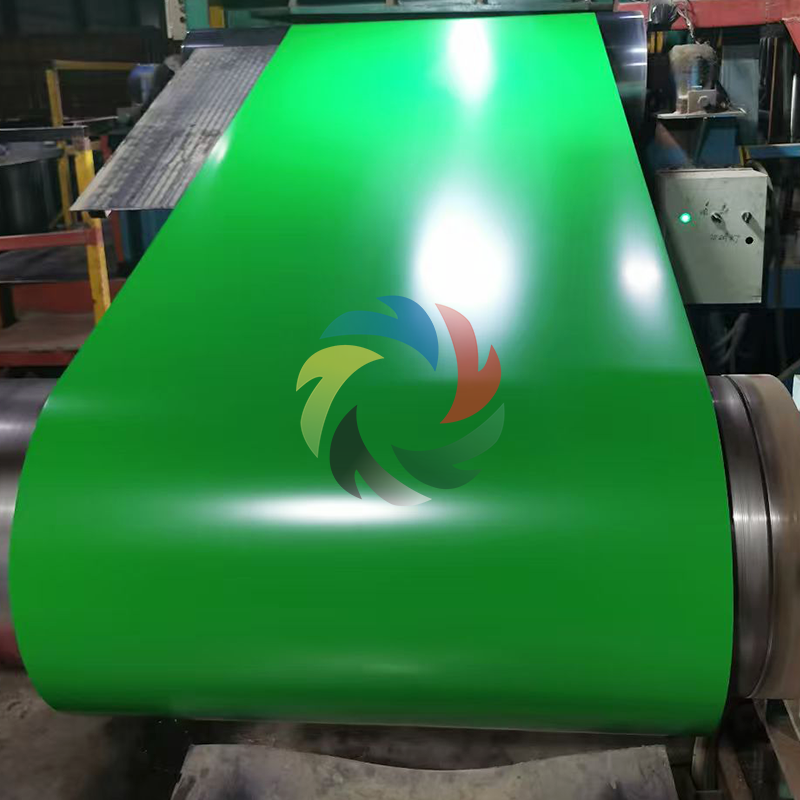
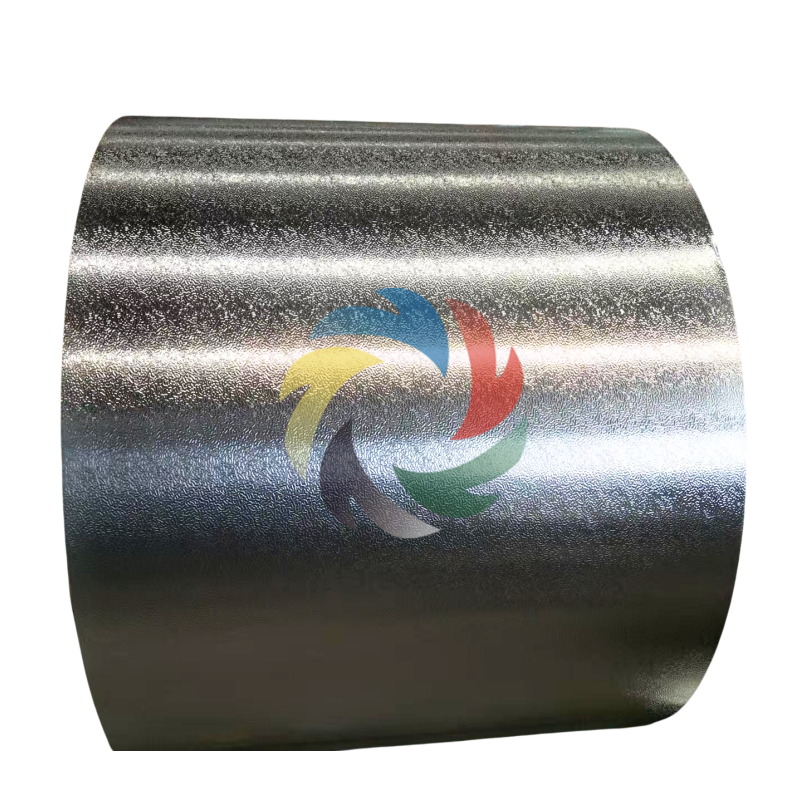
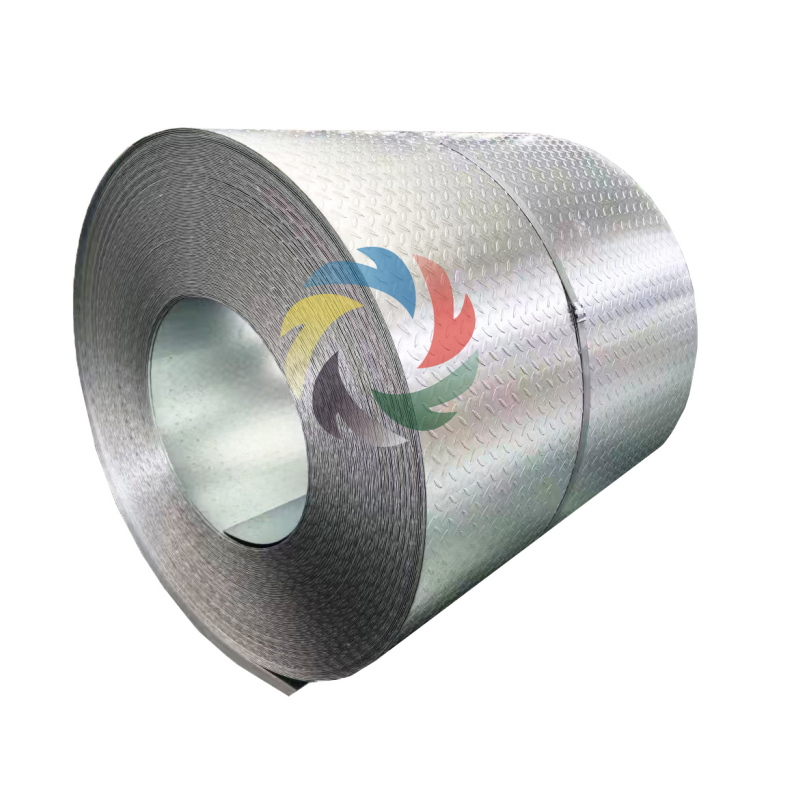
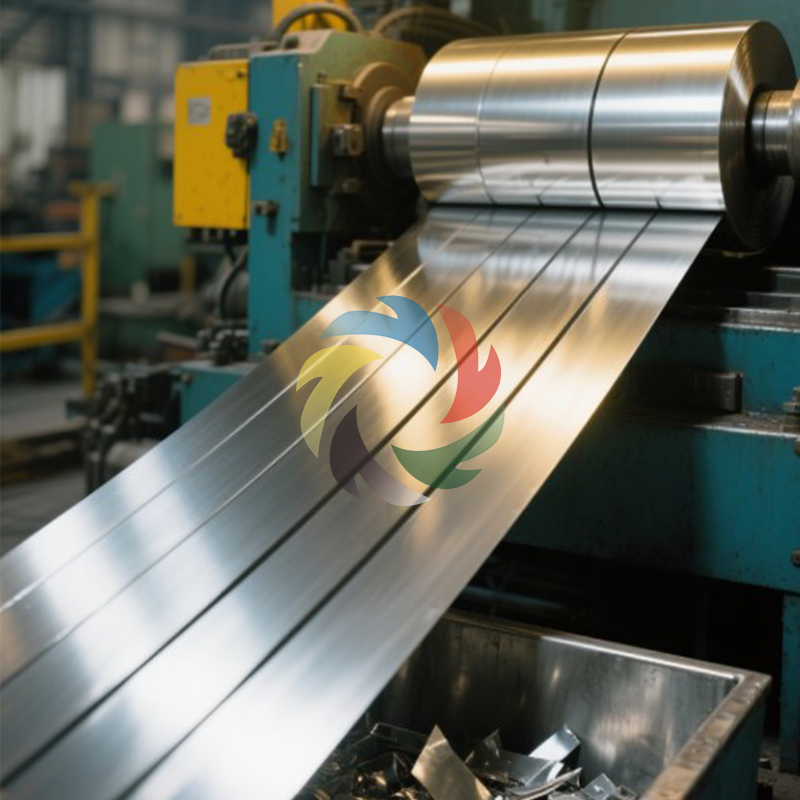
Hot-rolled plates and hot-rolled coils are fundamental products in steel processing. They are manufactured by rolling steel billets at a high temperature of 1100-1250°C, with the former being in flat plate form and the latter in coil form. The core process involves utilizing high temperature to enhance the plasticity of the steel billets. After being thinned through rough rolling and finish rolling, the organizational performance is controlled by laminar cooling, and finally, they are coiled or cut into shape.
These products retain the characteristics of the hot-rolled state: moderate strength (yield strength 235-690MPa), good plasticity (elongation ≥15%), and slight scale is allowed on the surface. The materials cover low-carbon steels (such as Q235), low-alloy steels (such as Q355), and special-purpose steels (such as SPFH series for automobiles, X70 pipeline steel). They can be adjusted through composition and process to meet different requirements.
Widely used in fields such as building structures, automobile manufacturing, and mechanical processing, they also serve as the base material for cold-rolled plates and galvanized plates. With high cost performance and excellent workability, they are indispensable basic steels in industrial production.
Products
FAQ
Do you provide samples ? Is it free or extra ?
Yes, the sample is free, but you should pay for the shipping and the sample fee can be refunded after you place your order.
What is the price and how can we get a quote quickly?
We will offer you the best quote after we get the product specifications such as material, size, shape, color, quantity, surface finishing, etc.
Can you provide OEM or ODM service?
Yes, we have strong developing team to support OEM and ODM service. The products can be made according to your request.
What's your payment terms?
T/T 30% deposit, T/T 70% before shipment, or 100% LC at sight.
Products
Contact Us
Products
Product Recommendation
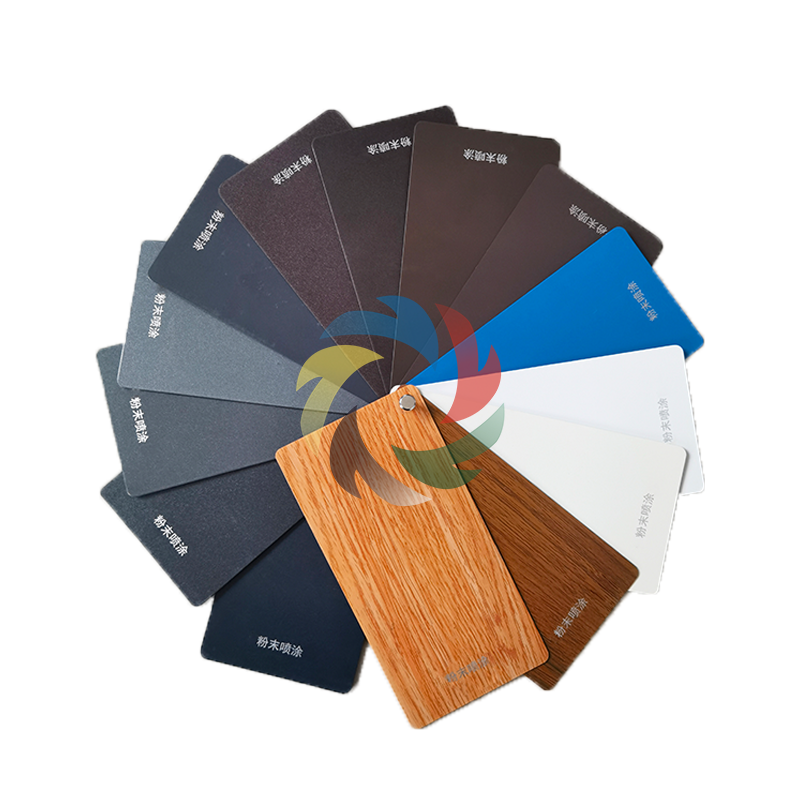
 Electrostatic Powder Spraying Process
Learn More ➜
- Pre-Painted Aluminum Sheet
Learn More ➜
- Pre-painted Aluminum Coil
Learn More ➜
- Aluminum Coil
Learn More ➜
- Colored Profiled Roofing Sheet
Learn More ➜
- Printed Aluminum Sheet
Learn More ➜
- Anti-Slip Patterned Aluminum Sheet
Learn More ➜
- Slit Aluminum Strip
Learn More ➜
- Electrostatic Powder Spraying Process
Learn More ➜
- Pre-Painted Steel Coil
Learn More ➜
- Color Profiled Roofing Sheet
Learn More ➜
- Printing Sheet
Learn More ➜
- Galvanised Steel Sheet, Galvalume Steel Sheet
Learn More ➜
- Metal Profiled Roofing Sheet
Learn More ➜
- Slit Steel Strip
Learn More ➜
- Bond Tile
Learn More ➜
- Classical Tile
Learn More ➜
- Shingle Tile
Learn More ➜
- Rainbow Tile
Learn More ➜
Please give us a message